
Finding Boulder Residents
Boulder is both a city and the Boulder County seat, so the first resident search can move among several nearby custodians. The Assessor ties a recorded owner and property address to a parcel. The Clerk and Recorder indexes deeds, liens, plats, marriage records, and other instruments. Colorado Elections provides a one-person registration lookup, while the Combined Court exposes a docket lead rather than a complete file. Carnegie Local History fills older gaps with directories, newspapers, obituaries, maps, and cemetery sources.
The right first step depends on the clue. An address belongs in the property and map systems. A full name needs a second field such as ZIP, birthday, parcel, case year, or an exact directory date. An older household usually requires the library shelf and a census pairing. No single result proves that a person lived at a place, and a mailing address may belong to a trustee or representative rather than the parcel itself.
- Write down the starting clue exactly, including spelling, middle initial, address form, ZIP, and date.
- Use the county property search or map to save the parcel, account, owner form, situs address, and legal-description summary.
- Search the recorder as a party, grantor, grantee, or legal description, then save the Reception Number and Book/Page.
- Check Colorado GoVote, the docket, or a fitting state index only after narrowing the person and jurisdiction.
- Use Carnegie, a counter visit, phone or mail copy request, or a CORA request when the online trail stops.
Where Boulder Records Live
The Boulder resident records trail has a clear local starting point, but each office answers a different question. The Recorder is at 1750 33rd Street, Suite 201, Boulder, and accepts counter, phone, and mail work through the Recording Division. The Assessor is at 1325 Pearl Street, second floor. Elections uses 1750 33rd Street, Suite 200. Boulder County Public Health handles eligible local birth and death certificates at its Boulder office at 3450 Broadway. The listed county office hours are generally Monday through Thursday, 7:30 a.m. to 5:00 p.m., with the health office using its own weekday schedule.
Online search is useful, yet it is not the only channel. Recorder copies can be requested online, by phone, or by mail. The Assessor offers a public map and data downloads. Elections supplies both a single-person lookup and product-specific voter files. Public Health requires an application, identification, eligibility proof, payment, and a delivery or pickup choice. Starting with the actual custodian keeps a Boulder residents directory search tied to evidence rather than a copied name.
Boulder County Clerk and Recorder
1750 33rd Street, Suite 201
Boulder, CO 80301
303-413-7770
Boulder Official Record Search
Boulder County Assessor
1325 Pearl Street, second floor
Boulder, CO
303-441-3530
Boulder Property Search
Boulder County Elections
1750 33rd Street, Suite 200
Boulder, CO 80301
303-413-7740
Colorado GoVote lookup
Boulder County Public Health
3450 Broadway
Boulder, CO
303-441-1154
Birth and death records
Current Boulder Resident Sources
A current Boulder residents directory is best understood as a set of partial rolls. Each source has a keeper, a date, and a narrow purpose. The property card points to a recorded owner and parcel. The voter lookup asks whether a supplied identity matches a current registration. A court calendar exposes a case lead. A city permit or enforcement record adds address context, while a local-history index may show a person only for a particular year.
| Source | Evidence | Keeper | Access |
|---|---|---|---|
| Assessor parcel card | Owner, situs and mailing fields, parcel, values, buildings | Boulder County Assessor | Public portal and daily data files |
| Voter lookup | Registration match and selected public status fields | Colorado Secretary of State | First, last, ZIP, birthday |
| Recorded-document index | Grantor, grantee, instrument, date, legal description | County Clerk and Recorder | Free index, paid copies |
| Court docket | Party lead, case number, hearing date and place | Colorado Judicial Branch | Web calendar and clerk request |
| Local-history collections | Historical names, addresses, obituaries, cemetery clues | Carnegie and BGS | Digital, microfilm, shelf, staff research |
The table also shows why a person search should not stop at the first hit. Property evidence is not a household roster. Voter data is not a street browse. A docket row is not the court file. Indexes are leads until the underlying image, clerk-held record, or dated publication supplies the needed proof. For a single name, the Boulder resident lookup workflow keeps those distinctions visible.
- Roll
- A record set maintained for a defined purpose, date, or jurisdiction. A voter or property roll is not a complete list of everyone at an address.
- Index
- Searchable descriptive data that points to a record, image, or custodian. The index entry is not always the underlying document.
- Criss-cross directory
- A reverse directory organized by address or street, useful for a dated occupant clue when that section survives.
- Parcel
- A mapped land unit tied to an assessor account and identifier. Its owner and mailing fields do not define every person who uses the property.
Boulder Official Rolls and Combined Leads
Official Boulder sources have a named custodian, a defined field set, and a route for correction or a copy request. A commercial people-search category may combine public feeds, address history, marketing data, or user-submitted material into one paid report. The two types can point to the same name while carrying very different proof.
| Source Type | Useful Signal | Boundary to Keep |
|---|---|---|
| Boulder County Assessor | Owner, parcel, situs or mailing address, buildings, values | Does not list every person at a property or prove physical presence |
| Boulder Recorder index | Grantor, grantee, instrument, date, legal description, image lead | Names belong to a recorded instrument, not automatically to a household |
| Colorado voter lookup | One supplied registration match and selected public fields | Protected, preregistered, and withheld records can create a non-match |
| Commercial search category | Possible lead assembled from mixed feeds or address history | May be stale, duplicated, or merged; confirm with the official custodian |
For a lawful Boulder residents directory question, use the official source that matches the fact, record the search date, and keep the identifier beside the result. A combined report can suggest a next query, but it cannot replace the county parcel, the recorder image, the court clerk, or a dated library source.
Boulder Recorder Search
The Boulder County Official Record Search has a quick screen and an advanced screen. The live snapshot inspected on August 18, 2026 displayed a recorded-date range from 06/26/1860 through 08/18/2026, with a separate verification notice. That range is a portal display, not a promise that every book, image, or older instrument is complete. A counter or copy request remains the fallback for a gap.
Search terms can identify a person, parcel, or instrument. The advanced form is especially useful when a common name produces noise. Tokenized party fields accept LASTNAME FIRSTNAME, while grantor and grantee searches can be run separately. Document type filters include deeds, deed-of-trust records, liens, easements, plats, marriage and civil-union records, court documents, public-trustee instruments, and many other categories.
| Portal field | How it helps |
|---|---|
| Department | Choose Real Estate Records or Marriage. |
| Search term | Combines grantor, grantee, subdivision, document type, or document number clues. |
| Recorded date | Sets an MM/DD/YYYY range or a recent-date preset. |
| Party, grantor, grantee | Add exact indexed names as tokens and test spelling variants. |
| Document type | Narrows the instrument family before reading results. |
| Reception, Book, Page | Uses the eight-digit reception number or book and page placement. |
| Legal description and OCR | Searches parcel language or text recognized from an image. |
Result cards can show Reception Number, Book, Page, page count, recorded date, consideration, document status, grantor, grantee, references, document type, and legal description. Watermarked viewing is free on the public route. Boulder County lists $0.25 per page for a nondigital copy and $1 for certification of a recorded document; a mailed request needs the names or reception number, copy type, payment, and postage details.
For a forward-looking fraud check, Boulder County PropertyAlert is a free email alert. Enter name variants and trust names, and expect false positives for common names. The Clerk records qualifying instruments but does not certify that the instrument is legally valid or factually true.
The county recording instructions explain the public search, images, office route, and copy options. That page is useful when the online index returns a clue but the needed evidence is a certified or non-watermarked copy.
View the Boulder County public-records instructions before choosing an online, counter, phone, or mail route.
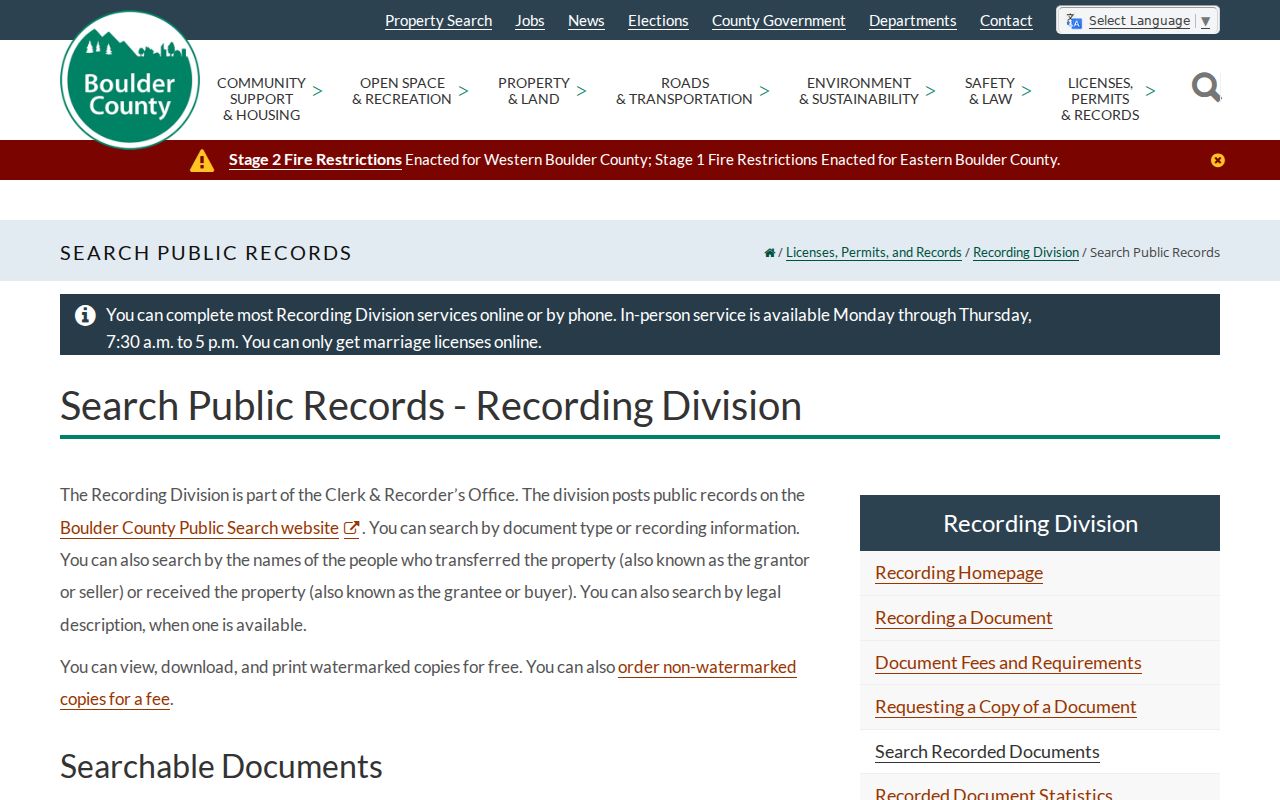
The instruction page keeps the search index and the official copy process connected.
Boulder Assessor and GIS
The Assessor Property Search accepts an address, owner name, street name, subdivision, account number, parcel number, or S-T-R. S-T-R means Section-Township-Range; the research example is 5-2N-69W with no leading zero. The map can draw a polygon, rectangle, circle, or line over parcels, and the coordinate tool accepts State Plane Feet, Decimal Degrees, DMS, DD Minutes, and UTM. Print Report, Print All Reports, and CSV export make a street or area review possible.
A parcel card can include account and parcel numbers, tax year, account type, property address, owner, subdivision, tax area, legal-description summary, actual and assessed values, buildings, estimated acres, and a tax-distribution link. The complete deed description controls when the GIS summary is short. Owners and Addresses downloads refresh around 4:00 a.m. daily, but the county disclaims warranty and warns that exports can repeat owner names and addresses. Deduplicate the file, then verify each lead against the parcel report.
The key distinction is situs versus mailing. Situs is where the parcel sits. Mailing is where tax correspondence goes. A trustee, representative, business, or PO Box can supply a mailing address elsewhere. A parcel owner is therefore one useful resident clue, not proof that every person at the location is known. City of Boulder eMapLink adds city-side parcel, enforcement, zoning, historic, and development layers, while county GIS adds broader flood, precinct, open-space, and emergency layers.
The Boulder County Assessor office page supplies counter locations and contact information. A map result should be read with its account type, parcel, date, and address fields intact before it is compared with another source.
The county data-download catalog is the right source for current file groups. Its no-warranty note matters when a CSV is used to build a first-pass Boulder residents directory list.
Use the Assessor office reference for a Boulder residents directory property lead, then use the official map to confirm the parcel rather than relying on a copied address.
To see the public property-search interface, open Boulder County Property Search. The map is an address and parcel tool, not a public household list.
County GIS guidance describes the public-data context and the layers that can help separate a city parcel from a surrounding county location.
Use the City of Boulder eMapLink for a city report and enforcement summary after the county parcel is fixed. Its layers add context but do not replace the recorded deed.
When a map export is used for a Boulder residents directory review, preserve the file date and the original owner spelling. A later update can change status, owner, or boundaries.
View the Boulder County Assessor office reference before comparing a property result with a resident record.
The office reference anchors the parcel search in the county custodian rather than an unverified directory copy.
Boulder Resident Voter Match
Colorado GoVote is a one-person match tool. It asks for First, Last, ZIP, and Birthday in MM/DD/YYYY format. If someone moved, the state page advises trying the previous ZIP. A confidential voter or a preregistered person under 18 may not appear, so a non-match is not proof that the person never lived in Boulder.
The Colorado voter FAQ describes public fields such as name, residential address, party and affiliation date, registration status, birth year, phone if supplied, gender if supplied, and whether the person voted in an earlier election. Social Security number, driver-license number, month and day of birth, signature, email, protected-voter data, and ballot choices are withheld. County products such as VR-011B, CE-068, EX-002, and CE-077 add time-specific fields, but they require a product request, fee, certification, and respect for confidential exclusions.
Scale is not identity. The 2024 Boulder County report lists 235,603 active registrations, including 68,342 in the Boulder location row. Those figures describe a dated election system, not a public street roster. Use GoVote for a supplied identity and the county Elections Division for a permitted data product. Do not turn a bulk file into an unrestricted list.
Open the Colorado voter registration lookup to see the fields that separate a name from a registration match.
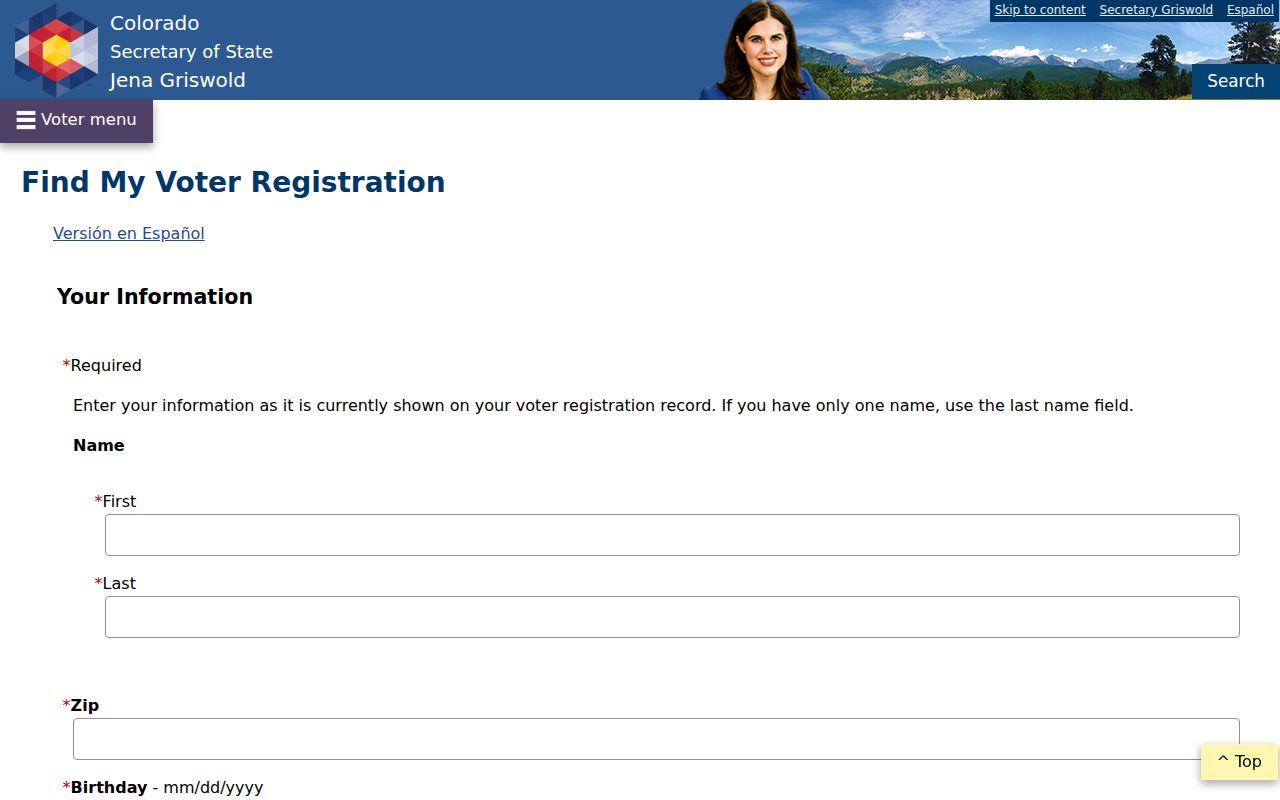
The form's ZIP and birthday requirements show why a single-name search is too weak to confirm a Boulder resident.
Boulder Court Docket Leads
The Colorado Judicial Branch docket filtered to county 7 is a calendar and index lead for Boulder County. Its search controls include judicial district, county, courthouse, court type, division, date range, case year and sequence, case class, party name, business name, and attorney name or bar number. The page requires at least one filter beyond a date choice. A visible row can show a party display, case number, hearing type, date, time, duration, location, appearance mode, and courtroom.
A docket event is not the complaint, exhibit, judgment, or complete register of actions. Sealed, juvenile, protected, and restricted matters do not appear in ordinary public access. The Boulder Combined Court counter is at 1777 6th Street, with a records email and phone route. The statewide record request form accepts a case number, type, year, county, party information, date of birth if known, and selected documents such as an ROA, decree, order, probate filing, or certified copy.
The form lists a $5 name search, $0.25 per page copies, $20 certified or exemplified documents, and research or redaction at $30 per hour after the first hour. The response target is three business days, subject to protected-record rules. Federal matters use PACER, and Boulder Municipal Court uses its own records and transcript route. Use the court custodian when the calendar only supplies a lead.
Open the Boulder-filtered Colorado docket to distinguish a hearing row from a court file.
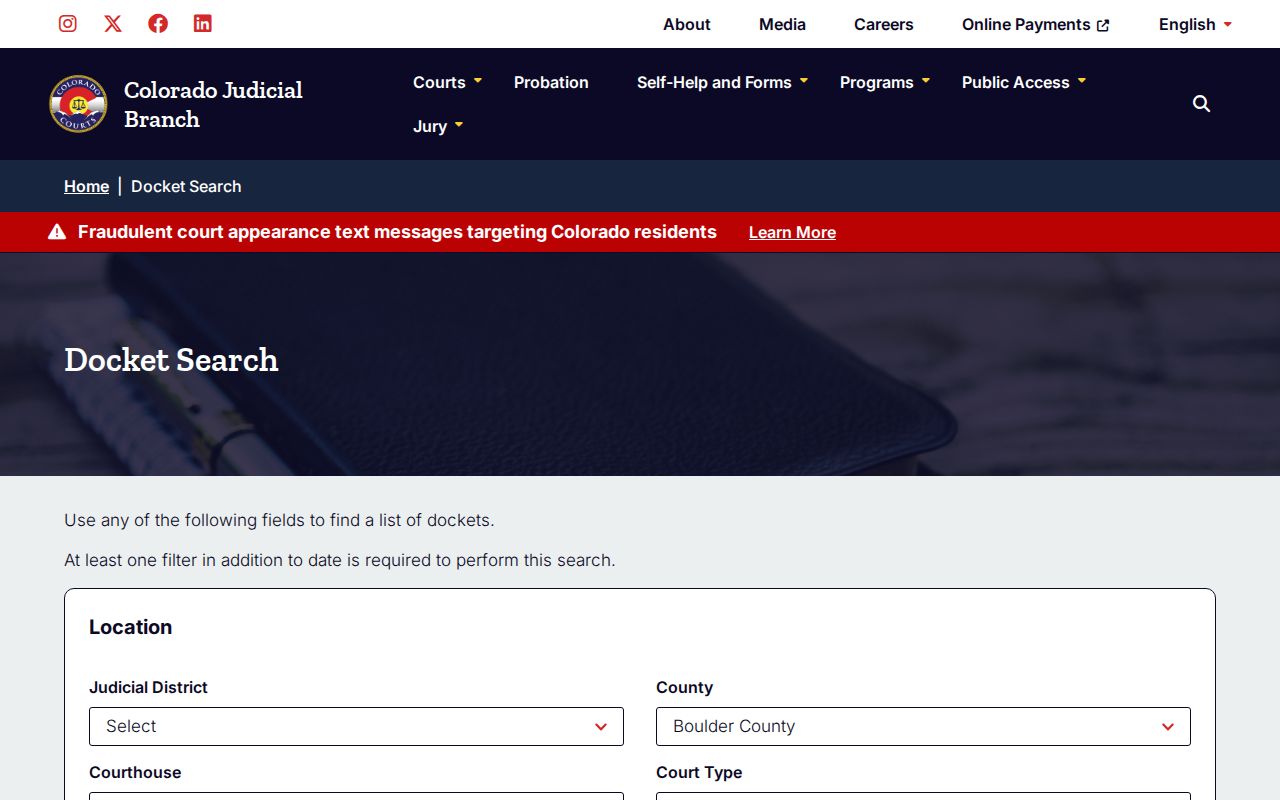
The docket screen is useful for a case number and courthouse context, but the clerk controls the underlying documents.
Boulder Vital Records
Birth, death, marriage, civil-union, and divorce records have different custodians. Colorado law, C.R.S. section 25-2-117, treats vital records as confidential. The official sources do not verify a blanket genealogy opening period, so an old date alone does not make a certificate freely searchable. Boulder County Public Health covers Colorado-born births from 1904 to the present and Boulder County deaths from 1901 to the present on the local pages.
Birth and death copies require a qualifying relationship, legal authority, or direct and tangible interest, plus identification and an application. The current county web fee is $25 for the first birth copy and $20 for each additional copy in the same order. Marriage application and recording is $30, with a $1.25 certified marriage copy. Divorce decrees belong to the district court. Counter, mail, state-office, library, and archive routes can answer different parts of a family-history question.
A modern certificate is not a public resident roster. Use the county application, accepted-ID instructions, and custodian response before assuming that a birth, death, or marriage result can be released. Historical newspaper, obituary, cemetery, and directory clues may identify an event without supplying a certified modern record.
Review Boulder County birth-certificate access for eligibility, identification, and current request channels.
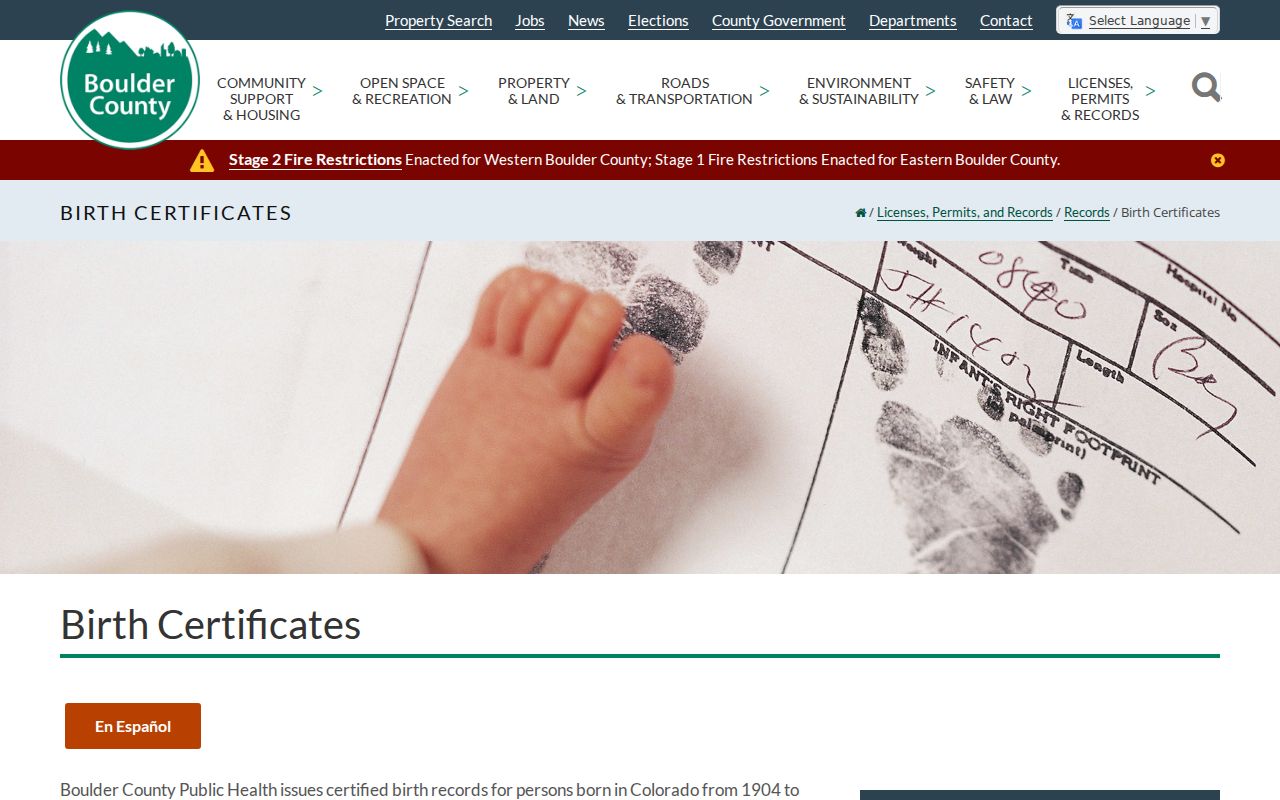
The county page makes the difference between a family-history lead and a releasable certified copy clear.
Boulder City Records
City records add address and civic context without replacing county title records. Central Records holds centrally maintained city files such as ordinances, resolutions, council packets, easements, leases, open-space acquisitions, annexations, development agreements, and completed land-use files. Police, Fire, Planning, and other departments remain custodians of their own material. A City of Boulder CORA request can therefore require the right department, not just a central mailbox.
eMapLink connects an address to a city parcel report and enforcement summary. EnerGov CSS offers guest searches for permit, plan, inspection, and license categories, while code-concern results cover only the prior 24 months and may include an adjacent right-of-way. The Municipal Court dashboard is an aggregate statistics tool beginning in early 2025, not a complete name index. Liquor-license map fields show a location, trade name, permit, status, and license type.
Columbia Cemetery is another local name source. Its index and map cover nearly 6,500 interred people on 10.5 acres and draw from thousands of sources. The city warns that some locations remain unknown, including more than 700 Section X entries. A cemetery result is strongest when the source abbreviation, ledger, obituary, or directory page is checked.
For a city-held record not online, the Colorado Open Records Act overview explains the state framework. Boulder City instructions describe a three-working-day response, a possible seven-working-day extension, and a $41 research or retrieval charge after the first hour.
Historical Boulder Directories
Carnegie Local History is the historical shelf behind the older Boulder residents directory trail. The room is at 1125 Pine Street. Walk-in hours are Thursday and Saturday from noon to 5:00 p.m., with appointments at other times. Materials do not circulate. Its scope includes directories, photographs, oral histories, newspapers, obituary help, cemetery and mortuary sources, church histories, and local maps.
Verified local directory evidence begins with Ella M. Travis indexes: Boulder County entries from 1892-1898, a 1904 county index, Boulder City indexes from 1901-1903 and 1905-1908 plus 1911, and a separate 1871 Rocky Mountain directory and Colorado gazetteer. Catalog references continue through 1974, and NARA lists Boulder-area microfilm for 1926, 1928, 1930, and 1932. Publisher sequence, a complete continuous run, and a last printed year were not verified. The correct next step is a shelf or catalog check, not an assumed publisher.
The broader newspaper collection begins in 1869. Daily Camera microfilm is described from June 1891 to the present with a June 2009 gap noted. Boulder Genealogical Society indexes cover obituaries from 1859-1925 and 1960 to the present. A directory entry, obituary, cemetery crosswalk, or newspaper page can show a dated address and family connection, while the Boulder city directory collections page handles the historical shelf in full.
Other Boulder Public Trails
Some Boulder searches concern a particular public record rather than a general resident roll. The county Daily Booking and Listing Reports are a current jail route, though the exact report fields and historical coverage were not verified. Colorado's name-based ICHC is a one-person, Colorado-only criminal-history search that displayed $6 per result in the inspected snapshot. Sealed, juvenile, and other excluded classes do not appear.
Colorado DORA MyLicense can verify a current professional license by profession, name, type, number, or status. The Secretary of State business search accepts a business name, trademark, trade name, ID, or document number, but the inspected result was CAPTCHA-limited. Great Colorado Payback is the official unclaimed-property path. These sources can supply an affiliation lead, not a complete household record or a guaranteed current address.
Read Colorado's name-based history information before treating a one-person result as a final identity match.
The state description explains the Colorado-only scope and the classes that can be excluded from a result.
Open Colorado DORA license verification when a public credential is the record question.
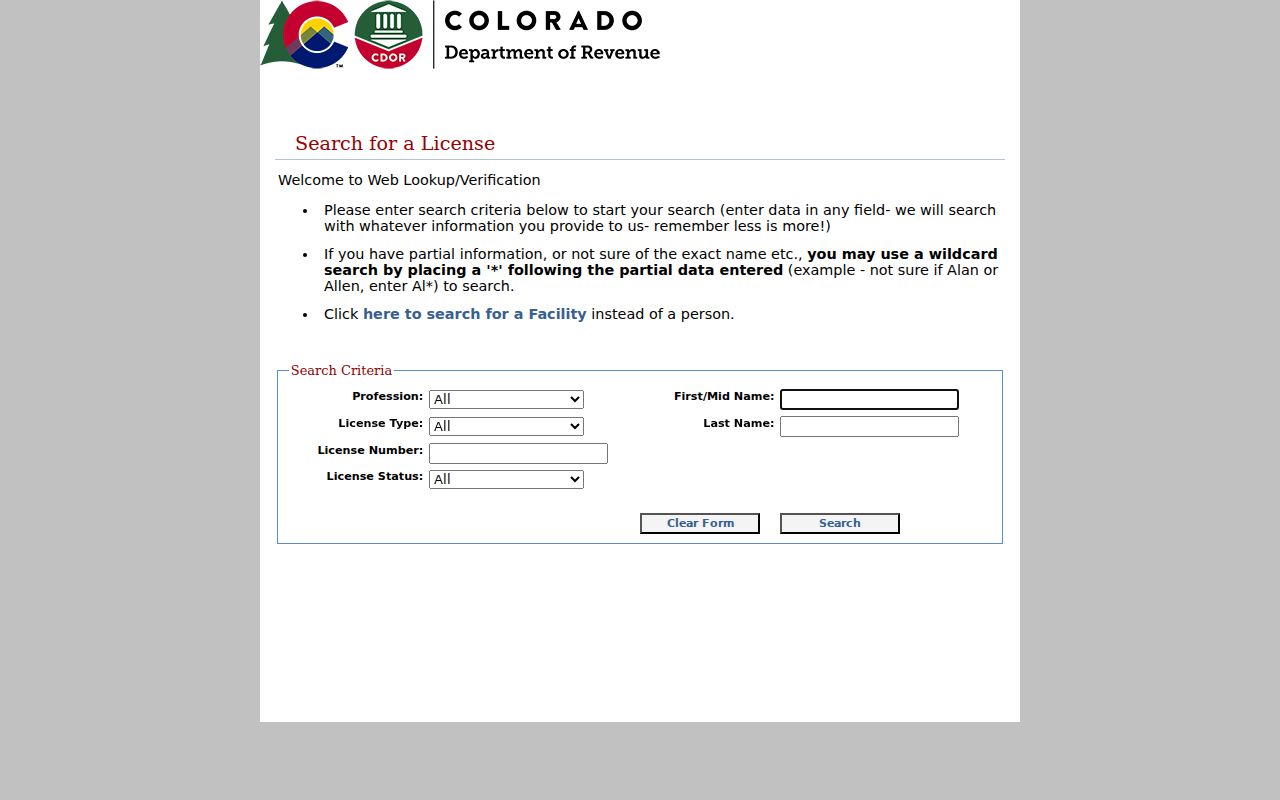
A license search confirms a current credential record, not that the licensee lives at a particular Boulder parcel.
Visit Great Colorado Payback for an official claim lead instead of relying on an unsolicited message.
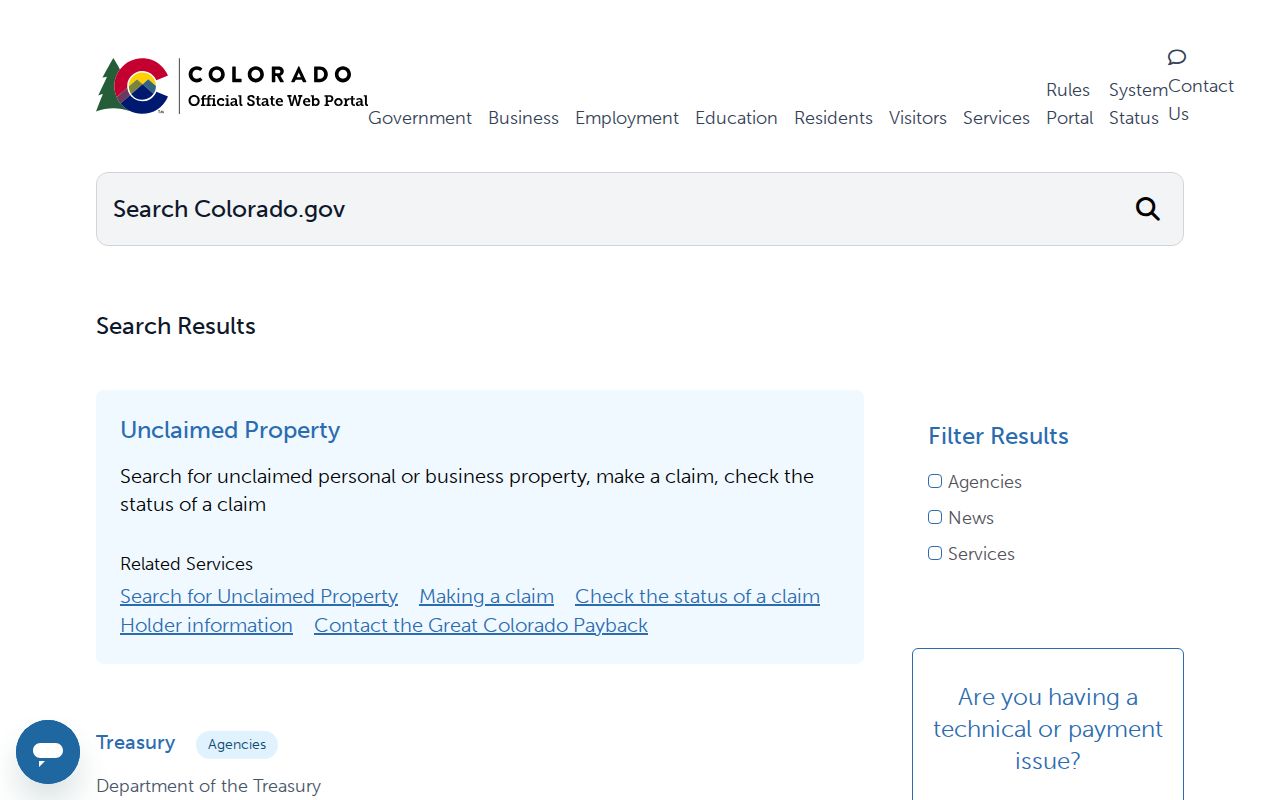
The state-linked route keeps the name search and proof-of-claim steps with the proper custodian.
Open Boulder County booking and listing reports only for the current public route described by the county.
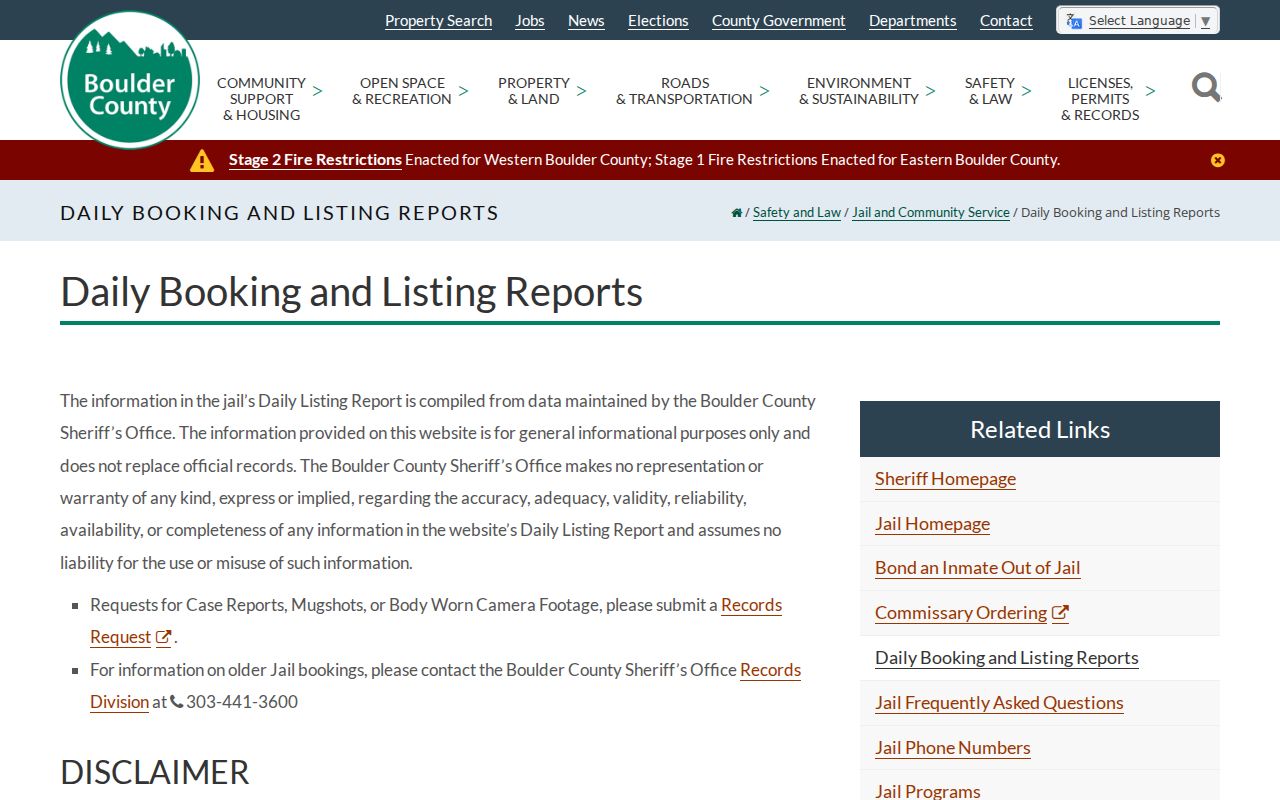
The report page itself notes the public route; older records and exact fields require the Sheriff Records custodian.
Boulder ZIP Geography
A ZIP can help narrow a name search, but it is a postal key rather than a city-limit line. Boulder-area records include standard codes 80301 through 80305 plus extended and nonstandard codes such as 80306-80310, 80314, 80321-80323, 80328, and 80329. USPS lookup, parcel situs, the CityLimits and Annexation layers, and the county postal list should be compared for a specific address.
Gunbarrel and Gold Hill can use a Boulder postal label while sitting outside the City of Boulder boundary. The 2026 East Boulder annexation also makes the current boundary worth dating. A ZIP search is therefore a useful narrowing step before a parcel or street review, not a substitute for the Boulder street directory address chain.
Boulder Privacy Boundaries
Missing data has several lawful explanations. Colorado's Address Confidentiality Program gives eligible survivors a substitute address and confidential mail forwarding. Protected voters and preregistered people may be excluded from ordinary lookup results. Vital records are confidential under section 25-2-117. Courts restrict sealed, juvenile, family, and other protected files. DMV-derived personal data is governed by the federal Driver's Privacy Protection Act, not treated like a county parcel field.
Use public records for family history, reconnecting, civic research, property curiosity, and correcting a record with its custodian. Keep names and addresses in context, avoid publishing private contact details, and use official report routes for suspected fraud. The records trail can support a lawful question without becoming a reason to monitor or intimidate another person.
Lawful personal use. Boulder records are public in defined ways, but anti-stalking and anti-harassment rules still apply. Verify with the custodian and do not use a Boulder residents directory search to stalk, harass, or harm anyone.
Recent Boulder Records Changes
Boulder record access has shifted recently. The Clerk and Recorder's 2024 accountability report describes a new public-records platform, same-day images, removed digital view fees, and digital certified copies. The current recording fee page took effect July 1, 2025 and lists a $43 document recording fee. These are dated operational facts, so check the live custodian page before relying on an old fee or turnaround statement.
The original Boulder County Courthouse was built in 1882 and destroyed by fire on February 9, 1932. Research did not identify which resident, deed, or court books were lost, so the fire is a reason to verify a gap rather than a reason to claim a specific missing series. City ledgers, newspapers, directories, and the current recorder index may each preserve a different part of the trail.
That layered history is the practical meaning of a Boulder residents directory. Start with the narrow official source, keep the date and identifier, then move to the counter, library, archive, or records request when the first screen cannot answer the question.